Introduction
In the globe of emergency situation medical feedback, the capacity to act rapidly and successfully can suggest the distinction in between life and fatality. Among one of the most important tools in this realm is the Automated External Defibrillator (AED). Public recognition on defibrillator use is necessary, as it encourages individuals to take action during cardiac emergencies. This short article will discover numerous facets of AEDs, including standard vs innovative life support, hospital codes and procedures, and the significance of public defibrillator usage. Allow's explore exactly how we can make a difference through education and preparedness.

Public Recognition on Defibrillator Use: Making a Difference
Understanding how to utilize a defibrillator can be a game-changer in an emergency situation. Every year, thousands die from unexpected cardiac arrest (SCA), but with proper training and understanding, many lives can be saved.
What is an AED?
An Automated External Defibrillator (AED) is a mobile gadget that can evaluate the heart's rhythm and provide an electric shock if needed. This shock can assist re-establish an effective rhythm in situations of SCA.
Why Public Understanding Matters
- Increased Survival Rates: Studies reveal that instant use an AED can substantially raise survival rates. Empowerment: Understanding decreases fear; understanding just how to use these devices encourages bystanders to act. Community Preparedness: Neighborhoods that are enlightened regarding AEDs produce more secure environments.
Basic vs Advanced Life Assistance: A Comparative Overview
When going over defibrillation, it's important to distinguish in between basic life support (BLS) and progressed life assistance (ALS).
Basic Life Support (BLS)
BLS refers to the preliminary actions taken by laypersons or initial responders in instance of a cardiac arrest:
- Checking responsiveness Identifying no breathing Performing CPR
BLS concentrates on keeping blood flow up until sophisticated medical help arrives.
Advanced Life Assistance (ALS)
ALS entails extra intricate treatments commonly executed by qualified professionals:
- Administration of medications Advanced airway management Use of innovative monitoring equipment
While BLS is vital in the early moments complying with cardiac arrest, ALS takes control of as soon as trained workers arrive.
Steps for Making use of an AED Safely
Call Emergency Services: Prior to using an AED, guarantee that emergency situation solutions have been contacted. Check Responsiveness: Delicately touch the person and yell to see if they respond. Identify No Breathing: Look for chest surge or pay attention for breath sounds. Retrieve the AED: Get the nearby AED while evaluating the casualty. Turn On the AED: Follow voice prompts as you attach pads to the chest. Stand Clear: Ensure everybody is far from the patient while assessing heart rhythms. Deliver Shock If Advised: If motivated by the gadget, press the shock button.Maintaining Composure Throughout Emergencies
It's essential for spectators to remain calm during emergency situations. Preserving calmness not just aids you believe clearly but likewise encourages others around you to do so as well.
Hospital Codes and Protocols
Once emergency situation solutions arrive, they adhere to established health center codes and procedures:
Common Hospital Codes Pertaining to Heart Arrest
|Code|Description|| ------|------------------------------|| Blue|Heart attack|| Red|Fire Emergency|| Yellow|Inner Emergency|
These codes enhance communication among healthcare providers so they can react swiftly.
Protocols Adhering to AED Use
After utilizing an AED:
- Document details concerning its usage Hand over any type of details collected from your assessment Stay readily available for additional wondering about by medical professionals
Public Defibrillator Use: Enhancing Accessibility
The positioning of public gain access to defibrillators is type in boosting area safety and security:
Where Are They Located?
Public access defibrillators are commonly located in:
- Shopping malls Airports Schools
Awareness projects must inform citizens concerning their locations.
Why Neighborhood Training Is Essential
Training sessions ought to be arranged consistently to guarantee community members recognize how to operate these devices effectively.
Statistics That Matter
Studies show https://telegra.ph/Giving-First-Aid-Gold-Coast-Where-to-Discover-the-very-best-Courses-08-03 areas with extensive access to AEDs considerably reduce fatality prices related to sudden heart arrest.
Importance of BLS Qualification in Communities
Obtaining BLS certification improves neighborhood durability versus cardiac emergency situations:
Benefits of BLS Certification
Increased likelihood of instant reaction during emergencies Enhanced understanding of standard lifesaving techniques Improved confidence amongst community membersMany organizations provide BLS accreditation courses, making it obtainable for everyone thinking about learning lifesaving skills.
Identifying No Breathing: Key Indicators
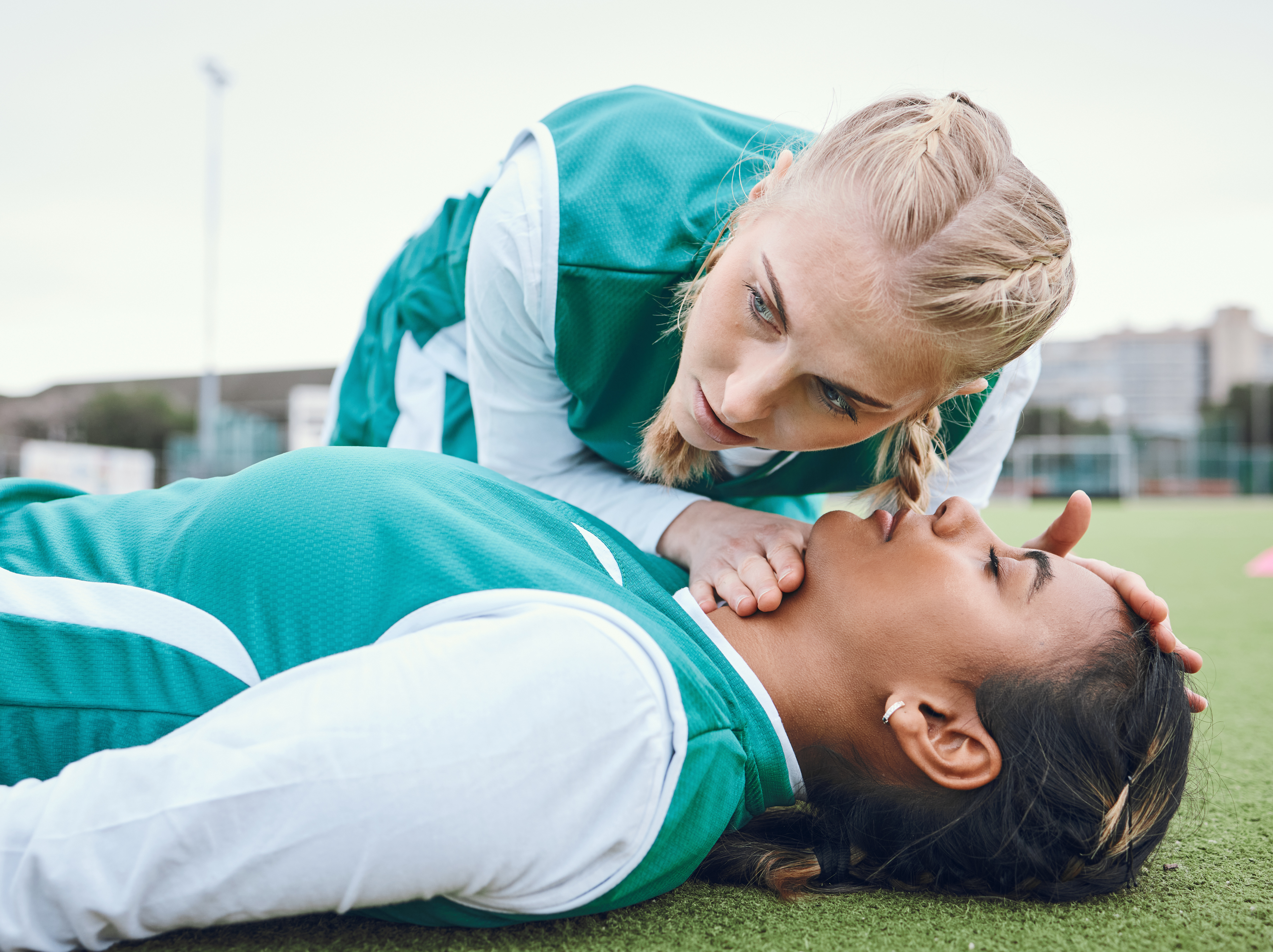
Recognizing when a person isn't breathing can conserve valuable time:
Signs Showing No Breathing
Absence of breast surge or autumn No audible breath seems Cyanosis or blue coloring around lips or fingertipsUnderstanding these signs enables quicker activity Accredited First Aid Course Palm Beach when secs count.
Taking Turns on Compressions Throughout CPR
Effective CPR calls for endurance; therefore taking turns is advisable:
How Often Must You Switch?
Compression cycles must preferably last no more than 2 minutes prior to switching rescuers-- this assists maintain top quality compressions without fatigue setting in.
Strategies for Effective Teamwork
Using spoken hints like "changing" can help promote smooth changes without shedding rhythm.
Compression Deepness and Price Considerations
Proper compression deepness and rate are critical for effective CPR:
Recommended Compression Depth
For grownups:
- Compress at the very least 2 inches deep however not going beyond 2.4 inches
For youngsters:
- Compress around 1/3 depth of their chest
Optimal Compression Rate
Aim for a price of 100-- 120 compressions per minute-- this aligns with preserving adequate blood circulation during CPR efforts.
FAQ Section
1. What ought to I do if I find a person unresponsive?
Call emergency services immediately while checking their responsiveness and breathing prior to initiating CPR if necessary.
2. Just how do I know if I require to use an AED?
If someone is less competent and not breathing typically, utilizing an AED may be crucial; transform it on after asking for help.
3. Can anybody use an AED?
Yes! Many public accessibility AEDs are created for layman usage; they give step-by-step guidelines via voice prompts.
4. What occurs if I offer a shock when it's not needed?
Modern AEDs just suggest shocks when necessary; providing unneeded shocks seldom positions damage yet might postpone care if done exceedingly without expert intervention.
5. Just how commonly must community participants rejuvenate their CPR skills?
It's generally advised every two years; correspondence course ensure your abilities stay up-to-date as guidelines advance over time!
6. Are there lawful protections completely Samaritans that help throughout emergencies?
Yes! Many territories have Do-gooder laws safeguarding people that give aid during emergencies from responsibility as long as their actions are practical under circumstances!
Conclusion
Public recognition on defibrillator usage is not just valuable-- it's crucial in conserving lives throughout heart emergencies! By outfitting areas with expertise on basic vs innovative life support methods, acknowledging signs such as no breathing, preserving calmness under stress, and making certain access with public defibrillator positionings, we produce much safer atmospheres where people really feel equipped to act decisively when every second counts!
Investing time right into learning about these essential devices will undoubtedly lead us toward making meaningful differences within our communities-- since every heartbeat matters!